Features
Dear Jane Doe
Amidst the controversy surrounding the resurfacing of Jane Doe v. Cornell University, et al., Stuyvesant students express their opinions on the administrations of large organizations diminishing the impact of sexual assault within their institution.
|| 2026-2027
Arts and Entertainment
Moana (2026) Live Action: A Wave of Nostalgia or a Cash Grab?
The Moana live-action movie is a cash grab, and not the only one Disney has produced.
|| 2026-2027Science
Do Certain Foods Affect Acne Formation?
By Azwad Akif
Acne stems from a variety of factors, and even though certain foods provide nutrients crucial for minimizing inflammation in the skin, there is no one-size-fits-all dietary cure for the condition.
|| 2026-2027Opinions
Behind The Greek Letters
Fraternities are in vital need of change because the same loyalty and traditions that make fraternities feel like families are also what make them breeding grounds for criminal activity.
|| 2026-2027
Humor
INSIDE LOOK at Stuyvesant Parents’ Group Chat
By Viv Carlow
EXCLUSIVE: Behind-the-scenes of BRUTAL Stuyvesant parent brag-off
|| 2026-2027Features
Thank You, The Spectator, Stuy, and Joan Didion!
Reflecting on what writing for The Spectator has taught me (so far).
|| 2026-2027Sports
Trying to Solve the MLB Playoff Seeding Problem
By Will Hajdu
The MLB’s current playoff format prioritizes division titles over regular-season records, creating uneven postseason matchups that could be addressed through reseeding or record-based seeding.
|| 2026-2027Science
Listening Beyond Music: How Science Makes Music Accessible to Those Left Behind
By Dongkyu Won
Experiencing music is made possible through vibrating vests, a physical way of feeling music, made possible by the understanding of the interaction between sound waves and receptors.
|| 2026-2027Arts and Entertainment
Bite of the Issue: The Worst Halloween Candy Imaginable.
Eating every bad bean from BeanBoozled.
|| 2026-2027Arts and Entertainment
Fueling the Fire: How Sydney Sweeney Uses Outrage to Set a New Standard For Advertisement
Outrage marketing is becoming the new norm for advertisement, and Sydney Sweeney’s recent ad campaigns are the driving force promoting this method. With its reliance on a heavy media response, Sweeney’s new ad campaign for Novig is a prime example.
|| 2026-2027Humor
The Official Stuyvesant Freshman Survival Guide
A survival guide for Stuyvesant freshmen with “insider information” about the school’s unspoken rules.
|| 2026-2027Features
The Acceleration Equation
A closer look at how and why underclassmen can be in math classes far beyond their years
|| 2026-2027Humor
I FOUND THE EVIDENCE: If You’re Reading This, There’s Something Wrong with Reality
By Fiona Chen
A cry for help published by an ordinary student who has discovered extraordinary evidence “proving” reality is not actually real, further spiraling them into madness.
|| 2026-2027Features
Dear Incoming Faculty of 2026, WE ARE EXCITED TO HAVE YOU!
Introducing Stuyvesant’s Newest Teachers!
|| 2026-2027Humor
¿Cómo se dice LARPing en Español?
By Victor Ma
An anecdotal article about struggles in a foreign language class.
|| 2026-2027Arts and Entertainment
“1 More” Homage to Persona 5 (2016)
By Hana Fathony
Persona 5’s tenth anniversary truly leads players to reflect on what makes it unforgettable, even now.
|| 2026-2027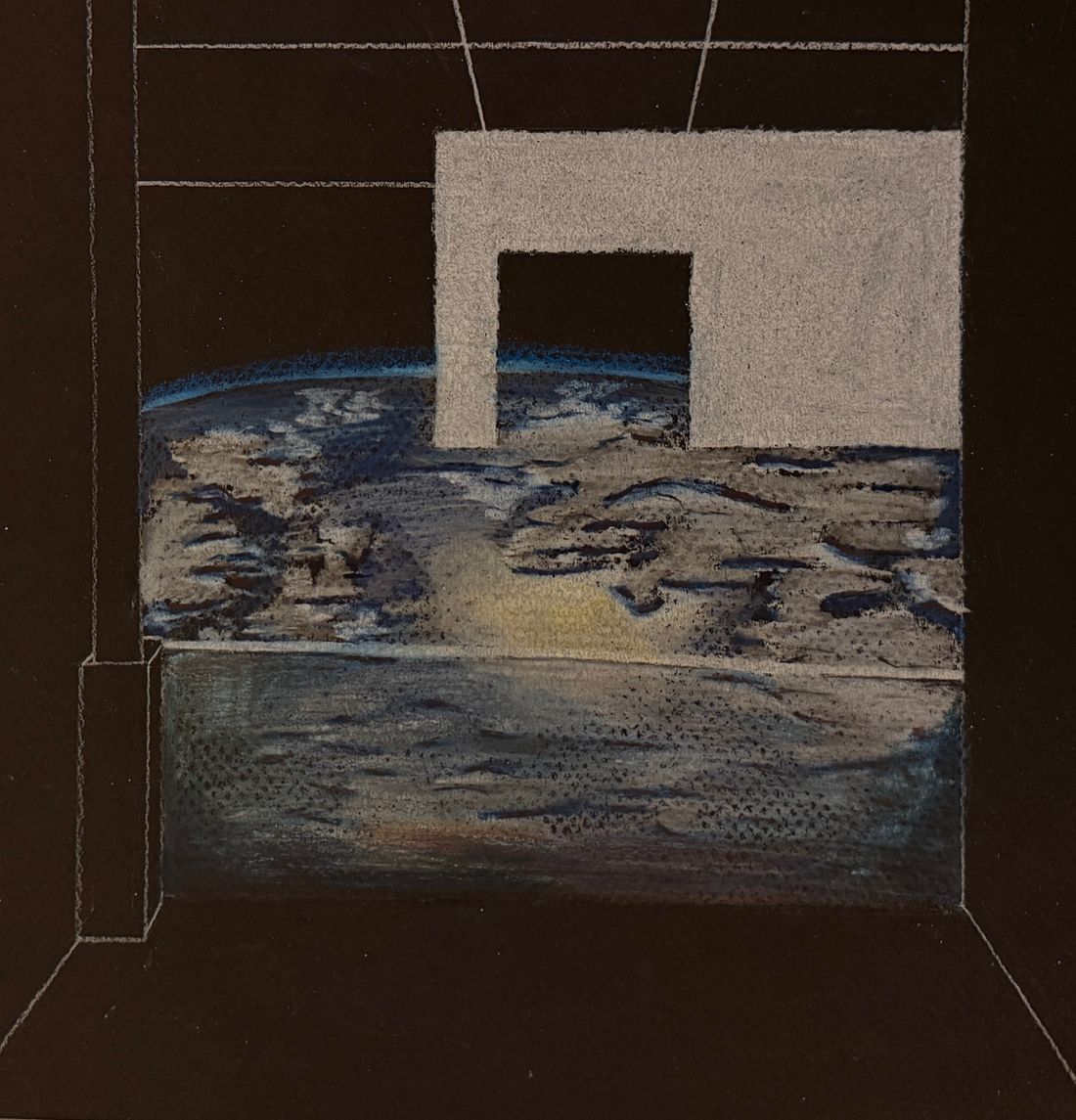
Arts and Entertainment
The New York Earth Room: Your Actual Breath of Fresh Air
By Chloe Tseng
The New York City Earth Room is a breath of fresh air (literally and figuratively).
|| 2026-2027
Sports
Top Five Candidates for the 2026/27 NBA MVP
Candidates Anthony Edwards and Victor Wembenyama lead our MVP race while previous winners such as Shai Gilgeous-Alexander and Nikola Jokić trail behind.
|| 2026-2027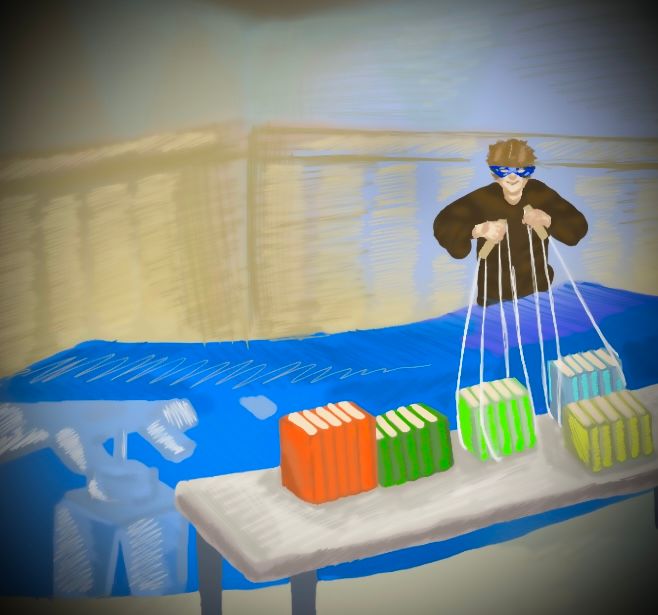
Humor
The Truth Behind the Free Books Table
By Lukas Yao
What’s really going on with those free books?
|| 2026-2027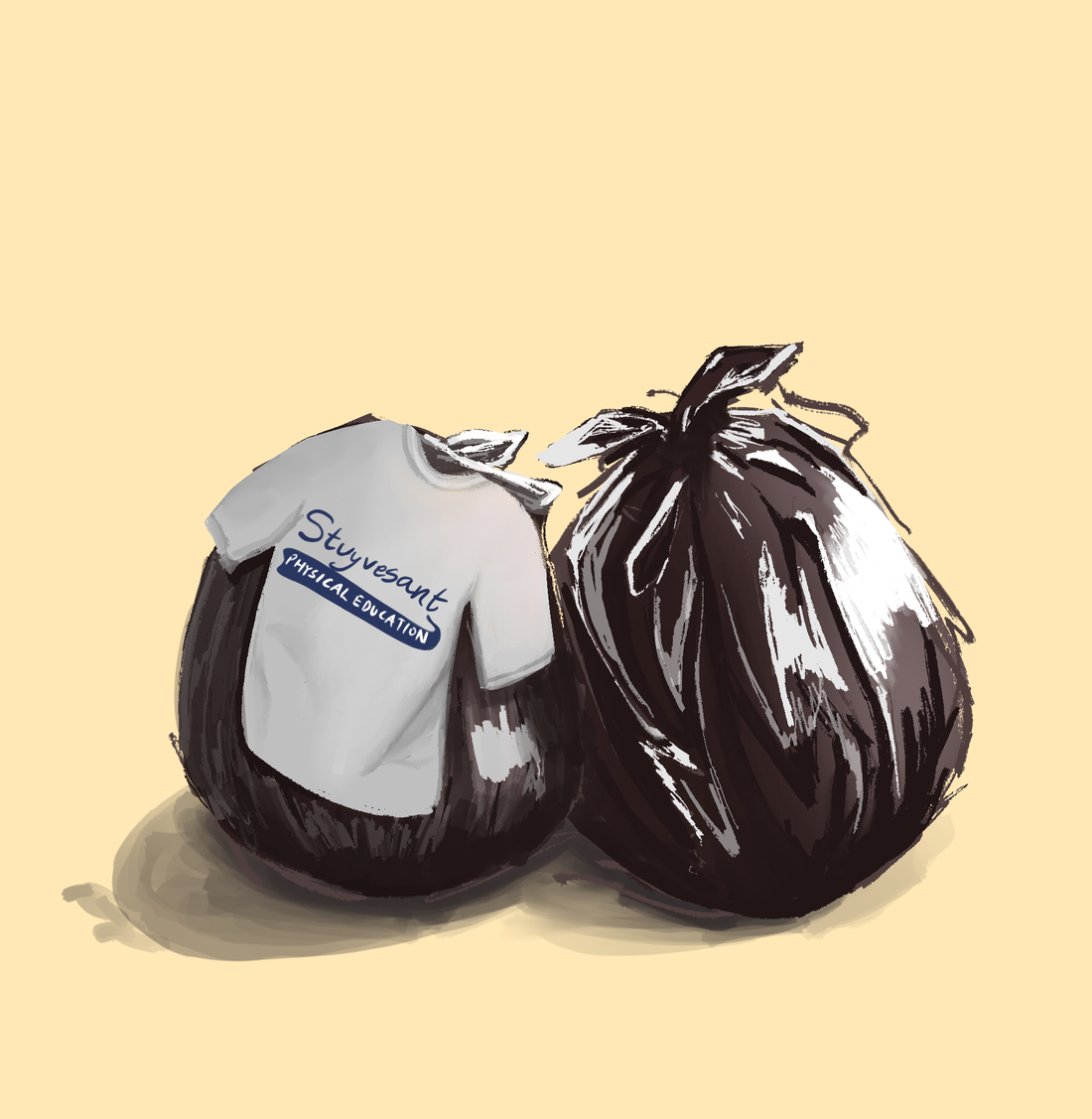
Humor
The Gym Uniform Trash Bags.... A Disturbing Backstory
What's really behind all those gym uniform bags at the start of school?
|| 2026-2027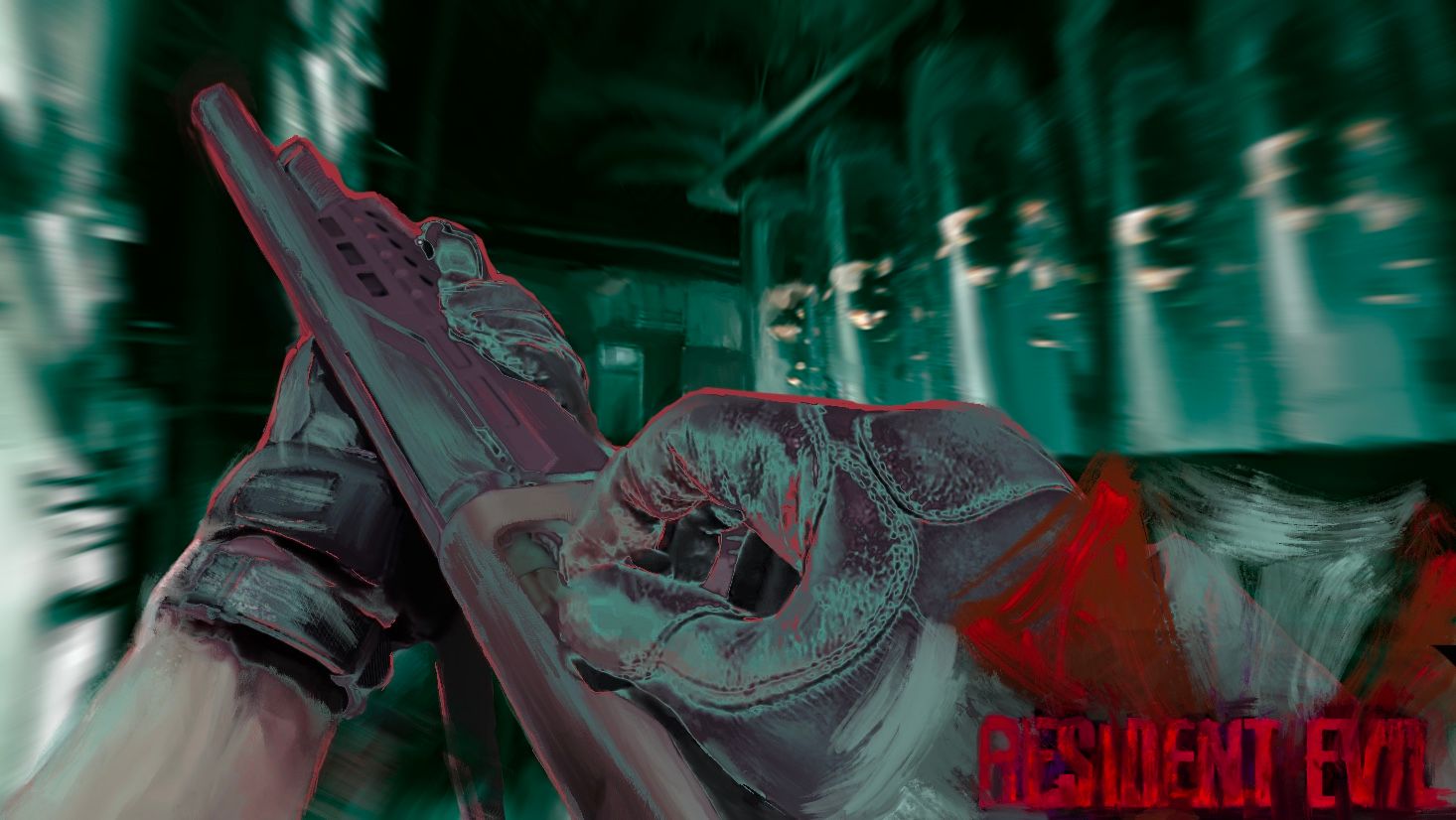
Arts and Entertainment
Evil Residents, Stoked Fans
By Hana Fathony
Resident Evil (2026) is Zach Cregger's attempt to finally do a beloved franchise justice.
|| 2026-2027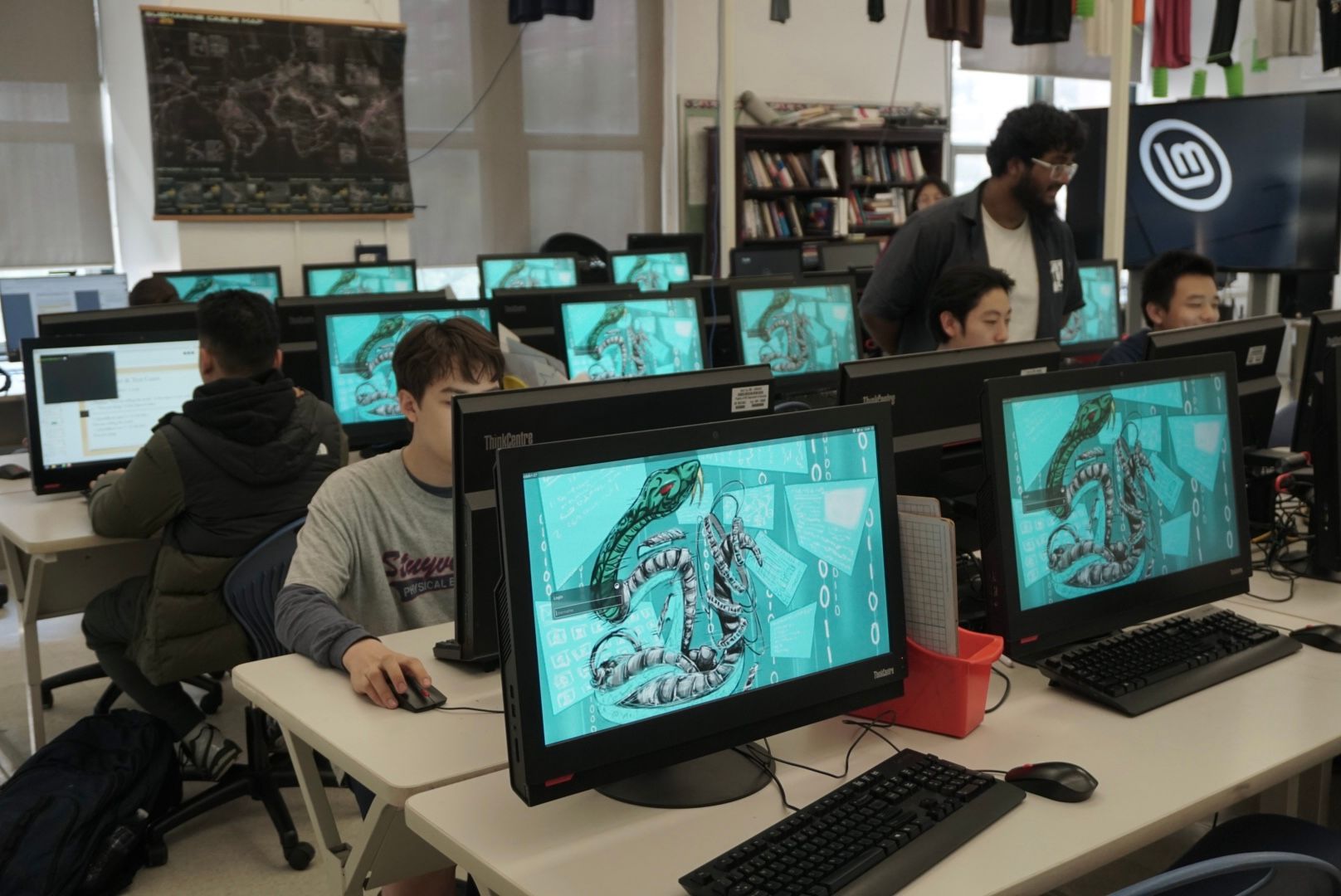
Features
A Deep Dive Into APCS A vs. APCS A Honors
By Nudrath Sowkat, Sophia Rosero
Computer Science Coordinator JonAlf Dyrland-Weaver explains the restructuring of post-foundations computer science classes offered at Stuyvesant, and students enrolled in AP Computer Science A (APCS A) and APCS A Honors share their thoughts on the classes so far.
|| 2026-2027
Opinions
The Society of the Larp
Larping is the point at which our natural tendency to imitate, aspire, and perform turns into valuing the appearance of becoming over becoming itself.
|| 2026-2027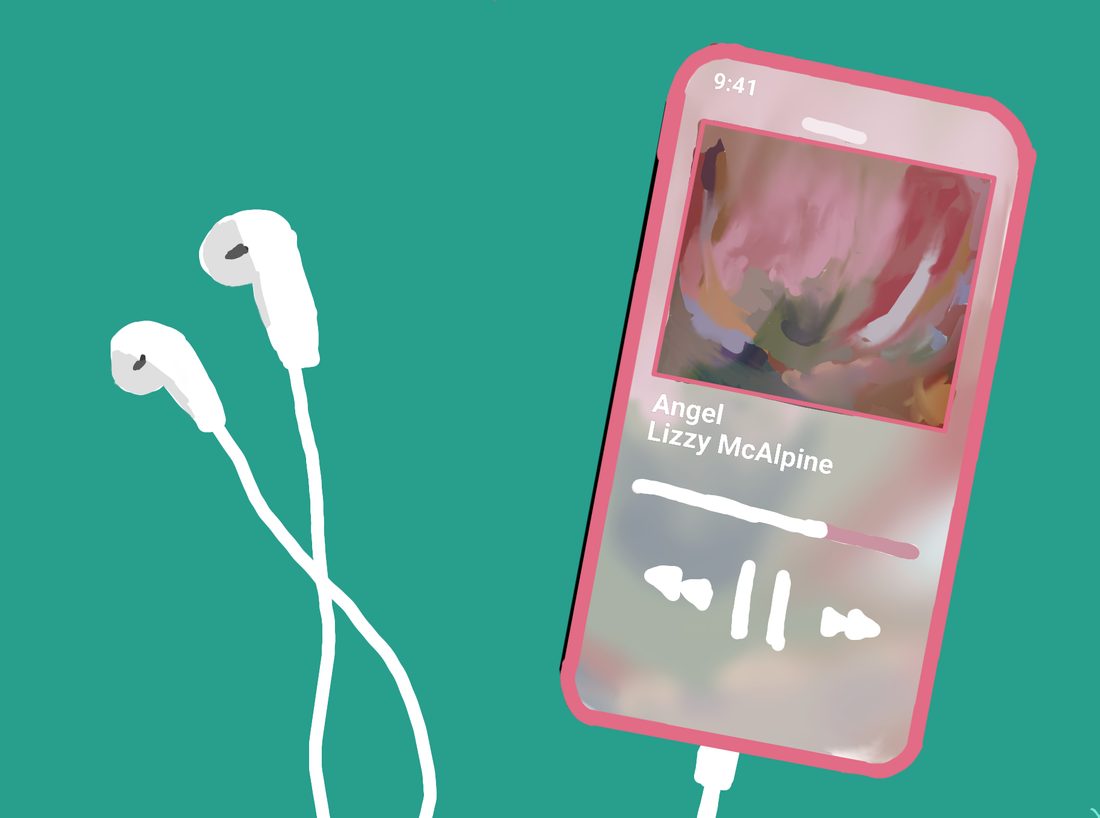
Arts and Entertainment
Finding Heaven in Lizzy McAlpine’s Angel
A review of Lizzy McAlpine’s Angel, an exploration of love in its many forms.
|| 2026-2027
Sports
How Isack Hadjar May Finally Break Red Bull’s “Second-Seat Curse”
By Sean Lee
Isack Hadjar’s qualifying wins over Max Verstappen and his new contract have put Red Bull’s “second-seat curse” in doubt.
|| 2026-2027Arts and Entertainment
Bite Of The Issue
By Daniel Oren
Tashkent Supermarket’s shawarma offers Stuyvesant students an unusually filling, affordable, and delicious lunch just two subway stops away.
|| 2026-2027Arts and Entertainment
To Infinity and Beyond: The Return of Toy Story
Toy Story 5 and how it reflects our modern day society.
|| 2026-2027Features
A Fresh Perspective: Class of ‘30
Freshmen from the Class of ‘30 share their experiences after their first few days of high school.
|| 2026-2027News
The Price Point
By Brendan Tan
The Price Point is a new beat written by News Editor Brendan Tan, covering recent economic events and providing Stuy students with an easy understanding of critical economics concepts that affect our day-to-day lives.
|| 2026-2027Sports
The Abysmal Future of The Los Angeles Clippers
The NBA’s penalties weakened a Clippers team that had already traded its draft future
|| 2026-2027Humor
Forget MBTI, Which Buldak Are You?
A completely unscientific personality quiz determines which Buldak flavor best represents the average Stuy student.
|| 2026-2027Features
160 Miles Apart
My sister recently moved out for college, which has made me relook our relationship and consider how both her presence and absence impact me.
|| 2026-2027Humor
What Is the Meaning of Life?
By Chloe Zheng
The meaning of life is cheese. Why? Uhhh, I’ll tell you.
|| 2026-2027News
Stuy SU x Big Sibs Host Big Sib/Little Sib Picnic
By Dilasha Rawal, Farheen Rahman, Theresa Gao, Zahra Kumar
The Big Sibs and Student Union hosted their annual Big Sib/Little Sib Picnic on September 18th.
|| 2026-2027Arts and Entertainment
Yayoi Kusama: Forever in Infinity
By Chloe Tseng
Bearing a few hundred dollars, sixty kimonos, and 2,000 drawings, twenty-nine-year-old Yayoi Kusama looked down from the observation deck of the Empire State Building and promised herself that “one day [she] would conquer New York and make [her] name in the world.”
|| 2026-2027Sports
Reading the Field, Running the Team
By Jiho Lee
Meet Fynn Chadwick, quarterback of Stuyvesant’s varsity football team, the Peglegs.
|| 2026-2027Sports
The Billion-Dollar Gamble
Europe’s biggest clubs risked hundreds of millions this summer on players who had to prove themselves: three weeks in, some already have, and some haven’t.
|| 2026-2027Science
“Did my Phone Just Vibrate?”—The Science of Phantom Notifications
By John Nan
The science behind phantom notifications is explored in this article, and included is how the frequent usage of phones and the buzzes felt when receiving notifications can cause the brain to misinterpret ordinary sensations as vibrations that never actually happened.
|| 2026-2027
News
New Market Fiolino Opens in Former Terry’s Space
By Bryan Bao, Idris Sze-Siddique, Minato Goto
The former Terry’s Deli was replaced with Fiolino, a high-end market in late July 2026.
|| 2026-2027Features
Dear Jane Doe
Amidst the controversy surrounding the resurfacing of Jane Doe v. Cornell University, et al., Stuyvesant students express their opinions on the administrations of large organizations diminishing the impact of sexual assault within their institution.
|| 2026-2027Arts and Entertainment
Moana (2026) Live Action: A Wave of Nostalgia or a Cash Grab?
The Moana live-action movie is a cash grab, and not the only one Disney has produced.
|| 2026-2027Science
Do Certain Foods Affect Acne Formation?
By Azwad Akif
Acne stems from a variety of factors, and even though certain foods provide nutrients crucial for minimizing inflammation in the skin, there is no one-size-fits-all dietary cure for the condition.
|| 2026-2027Opinions
Behind The Greek Letters
Fraternities are in vital need of change because the same loyalty and traditions that make fraternities feel like families are also what make them breeding grounds for criminal activity.
|| 2026-2027Humor
INSIDE LOOK at Stuyvesant Parents’ Group Chat
By Viv Carlow
EXCLUSIVE: Behind-the-scenes of BRUTAL Stuyvesant parent brag-off
|| 2026-2027Arts and Entertainment
The New York Earth Room: Your Actual Breath of Fresh Air
By Chloe Tseng
The New York City Earth Room is a breath of fresh air (literally and figuratively).
|| 2026-2027Features
Thank You, The Spectator, Stuy, and Joan Didion!
Reflecting on what writing for The Spectator has taught me (so far).
|| 2026-2027Sports
Top Five Candidates for the 2026/27 NBA MVP
Candidates Anthony Edwards and Victor Wembenyama lead our MVP race while previous winners such as Shai Gilgeous-Alexander and Nikola Jokić trail behind.
|| 2026-2027Sports
Trying to Solve the MLB Playoff Seeding Problem
By Will Hajdu
The MLB’s current playoff format prioritizes division titles over regular-season records, creating uneven postseason matchups that could be addressed through reseeding or record-based seeding.
|| 2026-2027Humor
The Truth Behind the Free Books Table
By Lukas Yao
What’s really going on with those free books?
|| 2026-2027Humor
The Gym Uniform Trash Bags.... A Disturbing Backstory
What's really behind all those gym uniform bags at the start of school?
|| 2026-2027Arts and Entertainment
Evil Residents, Stoked Fans
By Hana Fathony
Resident Evil (2026) is Zach Cregger's attempt to finally do a beloved franchise justice.
|| 2026-2027Features
A Deep Dive Into APCS A vs. APCS A Honors
By Nudrath Sowkat, Sophia Rosero
Computer Science Coordinator JonAlf Dyrland-Weaver explains the restructuring of post-foundations computer science classes offered at Stuyvesant, and students enrolled in AP Computer Science A (APCS A) and APCS A Honors share their thoughts on the classes so far.
|| 2026-2027Opinions
The Society of the Larp
Larping is the point at which our natural tendency to imitate, aspire, and perform turns into valuing the appearance of becoming over becoming itself.
|| 2026-2027Arts and Entertainment
Finding Heaven in Lizzy McAlpine’s Angel
A review of Lizzy McAlpine’s Angel, an exploration of love in its many forms.
|| 2026-2027Science
Listening Beyond Music: How Science Makes Music Accessible to Those Left Behind
By Dongkyu Won
Experiencing music is made possible through vibrating vests, a physical way of feeling music, made possible by the understanding of the interaction between sound waves and receptors.
|| 2026-2027Arts and Entertainment
Bite of the Issue: The Worst Halloween Candy Imaginable.
Eating every bad bean from BeanBoozled.
|| 2026-2027Arts and Entertainment
Fueling the Fire: How Sydney Sweeney Uses Outrage to Set a New Standard For Advertisement
Outrage marketing is becoming the new norm for advertisement, and Sydney Sweeney’s recent ad campaigns are the driving force promoting this method. With its reliance on a heavy media response, Sweeney’s new ad campaign for Novig is a prime example.
|| 2026-2027Sports
How Isack Hadjar May Finally Break Red Bull’s “Second-Seat Curse”
By Sean Lee
Isack Hadjar’s qualifying wins over Max Verstappen and his new contract have put Red Bull’s “second-seat curse” in doubt.
|| 2026-2027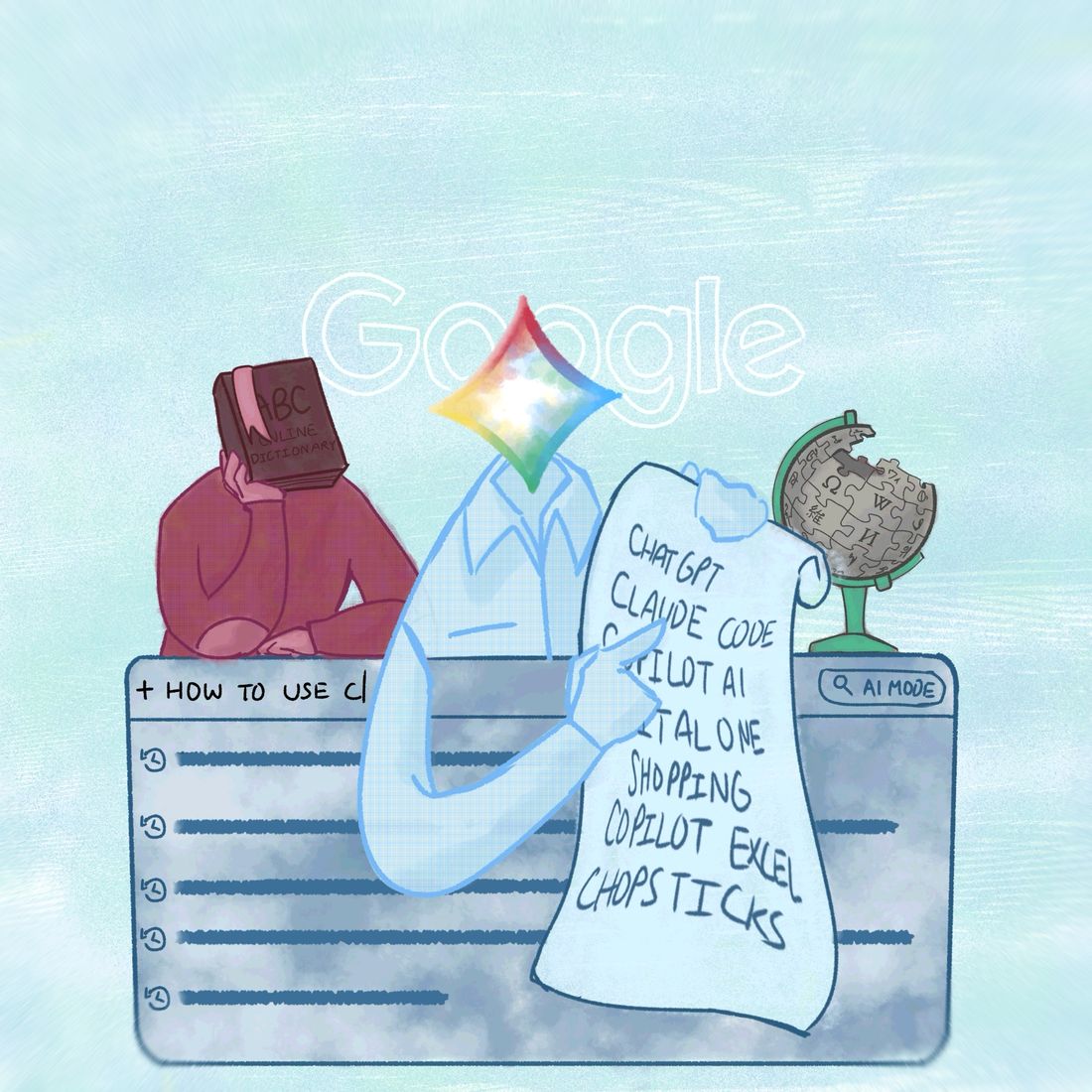
Opinions
The World Wide Web is Dying
By Niam Kaufman
The web was built to send readers to people, and AI Overviews break that promise.
|| 2026-2027Humor
The Official Stuyvesant Freshman Survival Guide
A survival guide for Stuyvesant freshmen with “insider information” about the school’s unspoken rules.
|| 2026-2027Features
The Acceleration Equation
A closer look at how and why underclassmen can be in math classes far beyond their years
|| 2026-2027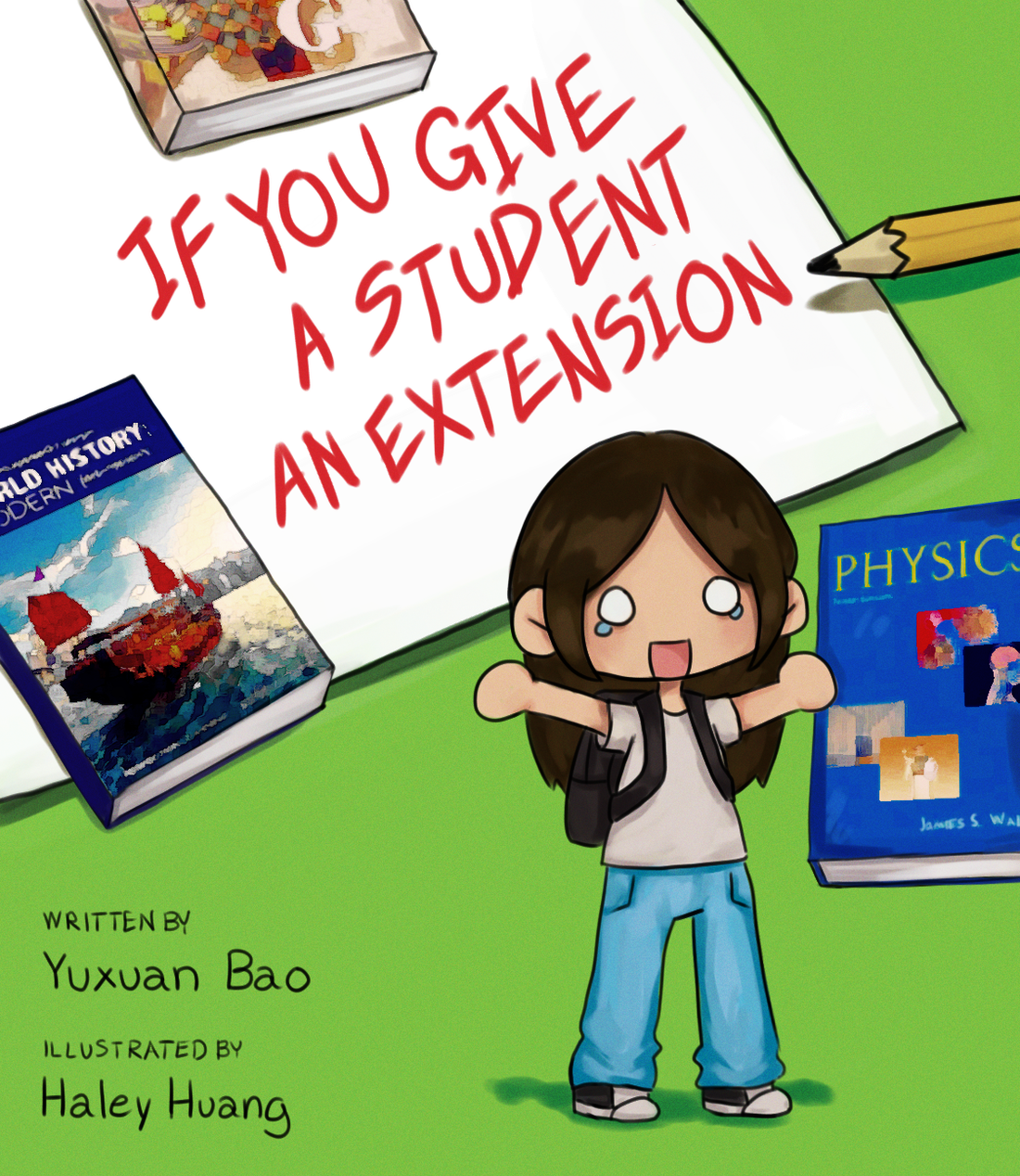
Humor
If You Give a Student an Extension...
By Yuxuan Bao
Ever wondered what it’s like to be a teacher dealing with a bunch of Stuy students all day? Here’s what happens when you give one of them an extension.
|| 2026-2027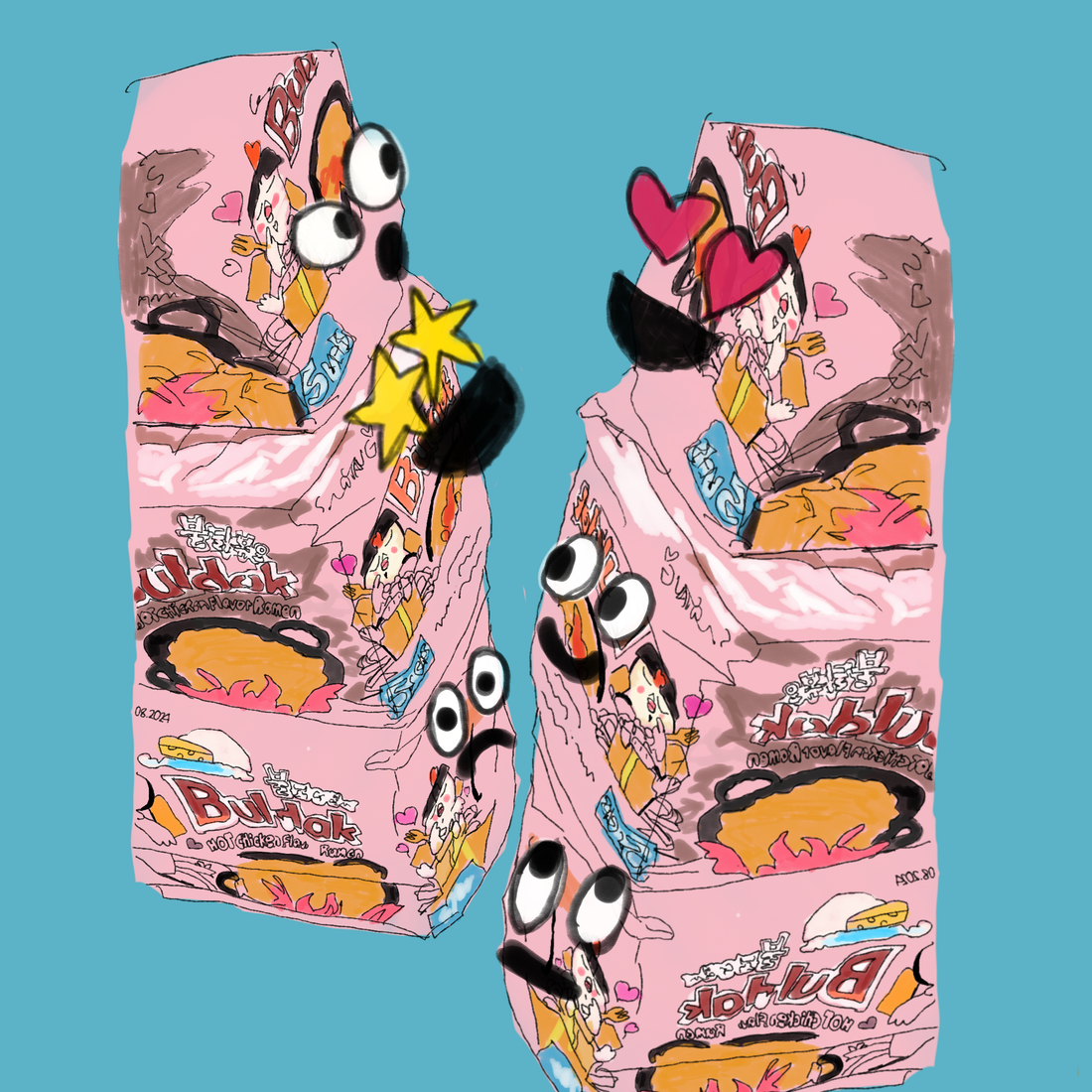
Humor
Forget MBTI, Which Buldak Are You?
A completely unscientific personality quiz determines which Buldak flavor best represents the average Stuy student.
|| 2026-2027
Features
160 Miles Apart
My sister recently moved out for college, which has made me relook our relationship and consider how both her presence and absence impact me.
|| 2026-2027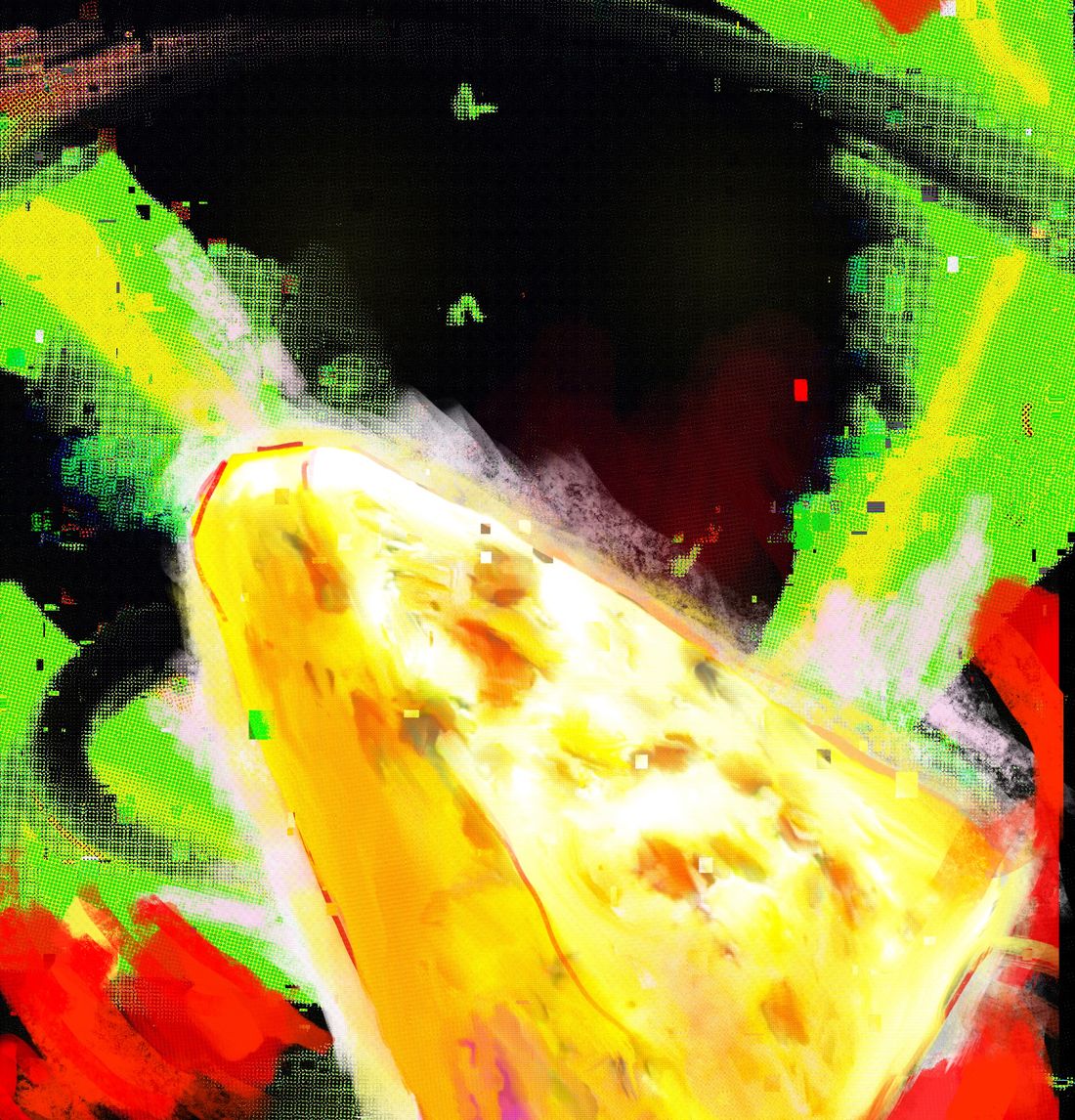
Humor
What Is the Meaning of Life?
By Chloe Zheng
The meaning of life is cheese. Why? Uhhh, I’ll tell you.
|| 2026-2027Humor
I FOUND THE EVIDENCE: If You’re Reading This, There’s Something Wrong with Reality
By Fiona Chen
A cry for help published by an ordinary student who has discovered extraordinary evidence “proving” reality is not actually real, further spiraling them into madness.
|| 2026-2027Features
Dear Incoming Faculty of 2026, WE ARE EXCITED TO HAVE YOU!
Introducing Stuyvesant’s Newest Teachers!
|| 2026-2027Humor
¿Cómo se dice LARPing en Español?
By Victor Ma
An anecdotal article about struggles in a foreign language class.
|| 2026-2027Arts and Entertainment
“1 More” Homage to Persona 5 (2016)
By Hana Fathony
Persona 5’s tenth anniversary truly leads players to reflect on what makes it unforgettable, even now.
|| 2026-2027Arts and Entertainment
Bite Of The Issue
By Daniel Oren
Tashkent Supermarket’s shawarma offers Stuyvesant students an unusually filling, affordable, and delicious lunch just two subway stops away.
|| 2026-2027Arts and Entertainment
To Infinity and Beyond: The Return of Toy Story
Toy Story 5 and how it reflects our modern day society.
|| 2026-2027Features
A Fresh Perspective: Class of ‘30
Freshmen from the Class of ‘30 share their experiences after their first few days of high school.
|| 2026-2027
News
Stuy SU x Big Sibs Host Big Sib/Little Sib Picnic
By Dilasha Rawal, Farheen Rahman, Theresa Gao, Zahra Kumar
The Big Sibs and Student Union hosted their annual Big Sib/Little Sib Picnic on September 18th.
|| 2026-2027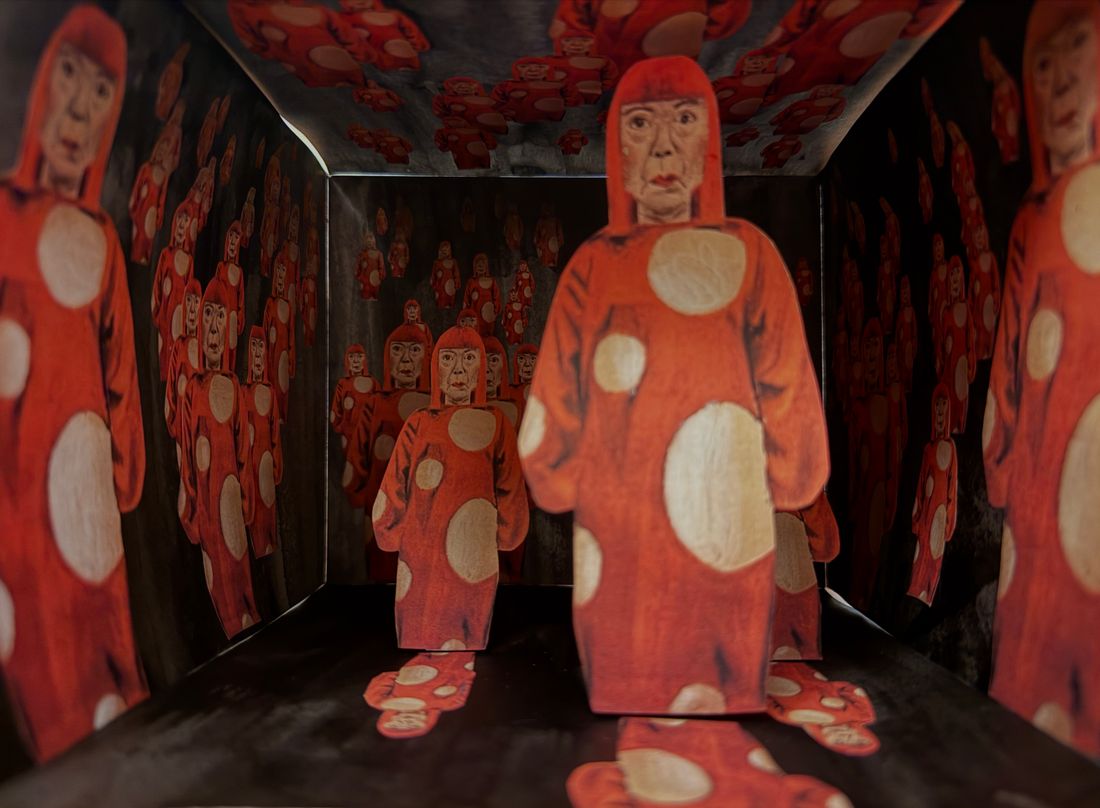
Arts and Entertainment
Yayoi Kusama: Forever in Infinity
By Chloe Tseng
Bearing a few hundred dollars, sixty kimonos, and 2,000 drawings, twenty-nine-year-old Yayoi Kusama looked down from the observation deck of the Empire State Building and promised herself that “one day [she] would conquer New York and make [her] name in the world.”
|| 2026-2027News
The Price Point
By Brendan Tan
The Price Point is a new beat written by News Editor Brendan Tan, covering recent economic events and providing Stuy students with an easy understanding of critical economics concepts that affect our day-to-day lives.
|| 2026-2027
Sports
Reading the Field, Running the Team
By Jiho Lee
Meet Fynn Chadwick, quarterback of Stuyvesant’s varsity football team, the Peglegs.
|| 2026-2027
Sports
The Billion-Dollar Gamble
Europe’s biggest clubs risked hundreds of millions this summer on players who had to prove themselves: three weeks in, some already have, and some haven’t.
|| 2026-2027Sports
The Abysmal Future of The Los Angeles Clippers
The NBA’s penalties weakened a Clippers team that had already traded its draft future
|| 2026-2027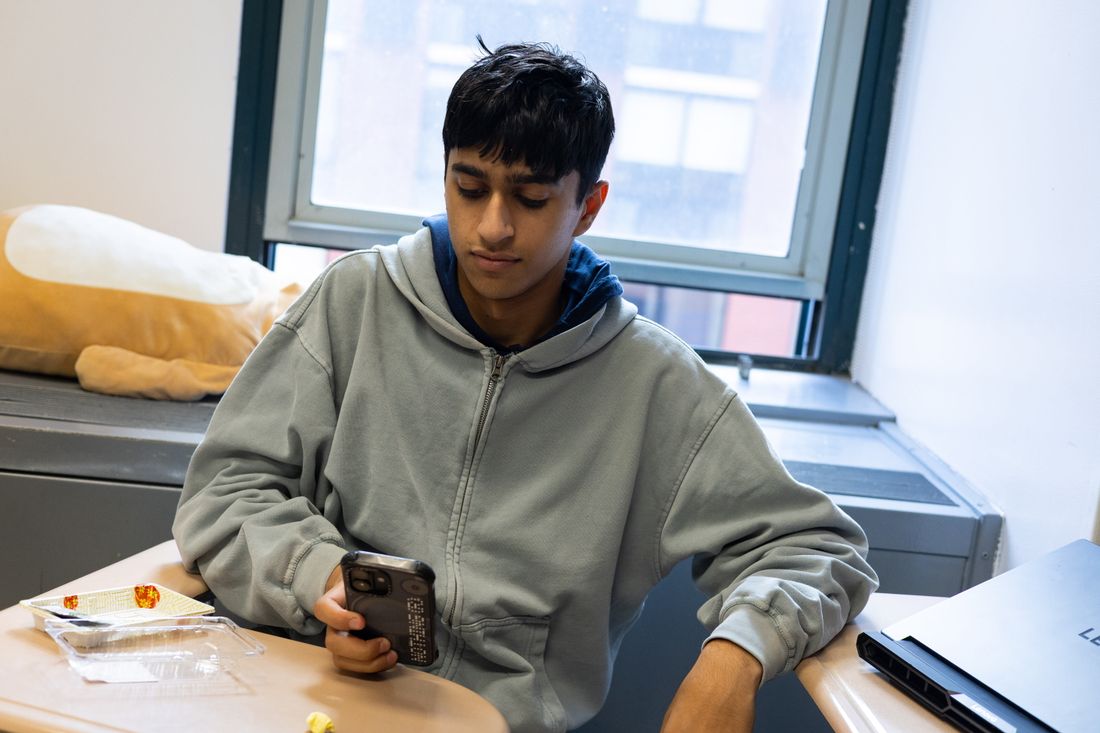
Science
“Did my Phone Just Vibrate?”—The Science of Phantom Notifications
By John Nan
The science behind phantom notifications is explored in this article, and included is how the frequent usage of phones and the buzzes felt when receiving notifications can cause the brain to misinterpret ordinary sensations as vibrations that never actually happened.
|| 2026-2027